Radon Testing and Its Role in Buying or Selling a Home
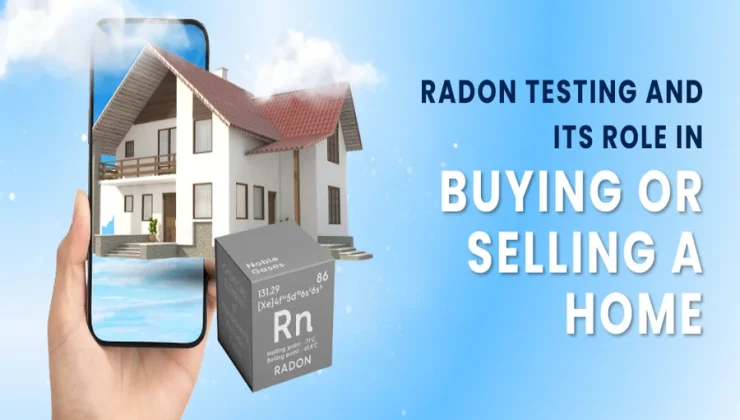
Are you planning to buy or sell a home soon? If so, you might focus on curb appeal, paperwork, and closing dates—but chances are, you haven’t thought much about radon testing. Homebuyers and sellers often overlook radon testing, even though it impacts health, deal negotiations, and legal obligations. Keep reading to discover why this simple test should be a priority on your home checklist.
Identifies Serious Health Risks
Radon, a radioactive gas, can accumulate indoors without visible signs. Testing is the only reliable way to detect and protect against long-term health issues. The following points explain why this issue deserves attention and how a home radon inspection plays a vital role:
-
Invisible Health Threat
- Radon is odorless, colorless, and tasteless—undetectable without testing.
- Long-term exposure to high levels increases the risk of lung cancer.
-
Widespread Risk Across Homes
- Elevated radon levels can affect homes of any type, age, or location.
- New constructions and older buildings alike may show unsafe levels.
A home radon inspection provides accurate readings before problems arise. Radon testing allows homeowners to take action before health risks grow. Moreover, addressing radon through professional testing is a practical step toward protecting long-term health.
Protects Buyers from Unexpected Costs
A home radon inspection offers practical benefits during home-buying, especially when managing financial risk. The facts below illustrate how it helps buyers avoid costly surprises:
-
Avoids Unplanned Mitigation Expenses:
- Without testing, buyers may unknowingly move into homes with high radon levels.
- As a result, they could face immediate out-of-pocket costs for installing a mitigation system after purchase.
-
Enables Informed Negotiation:
- With test results, buyers can request that sellers address the issue through price adjustments or mitigation work before closing.
- This approach allows buyers to decide based on actual conditions rather than assumptions.
Thus, conducting a home radon inspection before purchase helps buyers plan and protect their investment.
Sellers Gain Credibility
Proactive radon testing allows sellers to address potential issues early and avoid negotiation complications. This process also helps ensure a smoother real estate transaction. Consider the following reasons why it matters in the context of radon and home sales:
-
Avoids Last-Minute Setbacks:
- Testing before listing gives sellers time to mitigate high radon levels if needed.
- As a result, they can prevent rushed negotiations or unexpected buyer concerns later.
-
Strengthens Buyer Confidence:
- Providing documented test results shows transparency and responsibility.
- Reassures buyers to trust a seller who meets home safety standards.
-
Keep Transactions on Track:
- Early testing removes a common inspection hurdle that can delay closings.
- This preparation helps streamline the closing process and supports a smoother sale.
Helps Meet Legal and Disclosure Standards
In many states, sellers must disclose known radon levels during a real estate transaction. By taking the initiative to test early, sellers can fulfill legal obligations and support a more transparent process. Moreover, radon testing supports compliance and minimizes risk for both parties, such as:
-
Supports Legal Compliance:
- In states with disclosure laws, sellers must report known radon levels.
- Completing a test ensures they have accurate information to share.
-
Shows Responsible Action:
- Proactively conducting radon testing demonstrates that the seller is acting in good faith.
- Buyers are more likely to move forward when sellers openly address potential concerns.
-
Reduces Liability:
- Providing test results protects sellers from future claims of nondisclosure.
- Buyers benefit from clear documentation and can make informed decisions.
Radon testing creates transparency, helping sellers and buyers meet legal standards and avoid unnecessary conflict.
Adds Value with Minimal Cost
Radon testing offers a practical way to protect a home sale without adding much expense. Compared to the risks of buyer hesitation or delayed closings, the cost of testing is minimal. The following shows how radon testing adds measurable value to the transaction:
-
Manages Risk at Low Cost
-
- Radon testing is affordable and straightforward to complete.
- It helps avoid unexpected issues leading to price reductions or lost offers.
-
Supports a More Efficient Process:
- By testing early, sellers reduce the likelihood of delays during buyer inspections.
- A clear radon report helps move negotiations forward more smoothly.
-
Builds Trust with Buyers:
- Sharing test results up front shows transparency.
- Buyers are more likely to proceed when key information is already available.
Incorporating radon testing into the sales process adds clarity and value, helping both parties complete the transaction with fewer obstacles.
Make Radon Testing Part of Every Deal
Therefore, radon testing is key in protecting everyone involved in a real estate transaction. Whether buying or selling, a timely home radon inspection helps prevent future disputes and ensures complete transparency. Since radon and home sales go hand in hand, testing shows responsibility and builds trust. Don’t skip the test—schedule radon testing in New Jersey before closing your next deal and make health and peace of mind part of the process.