AC Repair for Fan, Capacitor, and Motor Problems
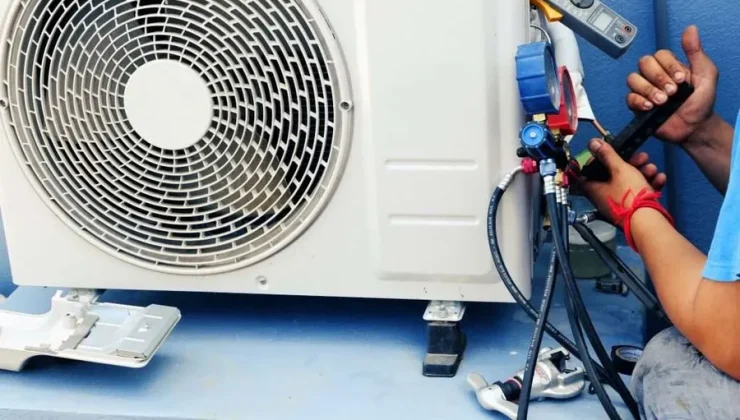
Air conditioning systems are essential for maintaining comfort in homes and offices, especially during the hot summer months. However, like any other mechanical system, they can experience issues that require repair. Common problems include malfunctioning fans, faulty capacitors, and motor failures. Understanding these issues and knowing how to address them can save time and money. This article delves into the common problems associated with AC fans, capacitors, and motors, providing insights into their causes and potential solutions. By gaining a better understanding of these components, you can ensure your AC system runs efficiently and effectively.
Common AC Problems Overview
Air conditioning systems are complex machines with several components working together to provide cooling. Among these components, the fan, capacitor, and motor are crucial for the system’s operation. The fan is responsible for circulating air throughout the space, ensuring even cooling. When the fan malfunctions, it can lead to uneven cooling or no cooling at all. The capacitor, on the other hand, provides the necessary power to start the motor and keep it running. A faulty capacitor can prevent the motor from starting, leading to a non-functional AC unit. The motor itself is the heart of the system, driving the fan and compressor. Motor issues can result in a complete system shutdown. Understanding these components and their common problems is essential for effective AC repair.
Fan Problems and Solutions
The fan in an air conditioning system plays a vital role in circulating air throughout the space. When the fan is not working correctly, it can lead to several issues, including reduced airflow, uneven cooling, and increased energy consumption. Common fan problems include worn-out bearings, loose or damaged blades, and electrical issues. Worn-out bearings can cause the fan to make unusual noises or stop working altogether. Loose or damaged blades can lead to vibrations and reduced efficiency. Electrical issues, such as a faulty motor or wiring problems, can prevent the fan from operating. To address fan problems, it is essential to inspect the fan regularly, tighten any loose components, and replace worn-out parts. Ensuring the fan is clean and free from debris can also improve its performance and extend its lifespan.
Capacitor Issues and Their Impact
Capacitors are critical components in an air conditioning system, providing the necessary power to start and run the motor. A faulty capacitor can lead to several issues, including the motor not starting, the system not cooling effectively, and increased energy consumption. Capacitors can fail due to age, overheating, or electrical surges. When a capacitor fails, it can cause the motor to overheat, leading to further damage. It is essential to regularly inspect capacitors for signs of wear and replace them as needed. Read more about how capacitors impact the overall efficiency of your AC system and the importance of timely replacement. By addressing capacitor issues promptly, you can prevent further damage to the motor and ensure your AC system operates efficiently.
Motor Failures and Repair Options
The motor is a crucial component of an air conditioning system, driving both the fan and the compressor. Motor failures can lead to a complete system shutdown, resulting in no cooling and increased discomfort. Common motor issues include overheating, electrical problems, and mechanical failures. Overheating can occur due to a lack of proper ventilation, excessive dirt and debris, or a faulty capacitor. Electrical problems, such as wiring issues or a blown fuse, can prevent the motor from starting. Mechanical failures, such as worn-out bearings or a seized shaft, can cause the motor to stop working. To address motor failures, it is essential to conduct regular maintenance, including cleaning the motor, checking for proper ventilation, and inspecting electrical connections. Replacing worn-out parts and ensuring the motor is properly lubricated can also help prevent failures and extend the motor’s lifespan.
Importance of Regular Maintenance
Regular maintenance is crucial for ensuring the efficient operation of an air conditioning system. By conducting routine inspections and addressing minor issues promptly, you can prevent major problems and extend the lifespan of your AC unit. Maintenance tasks include cleaning the system, checking electrical connections, and inspecting components such as the fan, capacitor, and motor. Regular maintenance can also improve energy efficiency, reduce energy costs, and enhance overall comfort. By investing time in regular maintenance, you can ensure your air conditioning system operates smoothly and effectively, providing reliable cooling when you need it most.
Conclusion
Air conditioning systems are essential for maintaining comfort in homes and offices, but they can experience issues that require repair. Common problems include malfunctioning fans, faulty capacitors, and motor failures. Understanding these issues and knowing how to address them can save time and money. Regular maintenance is crucial for preventing major problems and ensuring the efficient operation of your AC system. By conducting routine inspections and addressing minor issues promptly, you can extend the lifespan of your AC unit and improve its overall performance. Investing in regular maintenance and timely repairs can ensure your air conditioning system provides reliable cooling when you need it most.