Why Electrical Inspections Are Critical for Home Resales?
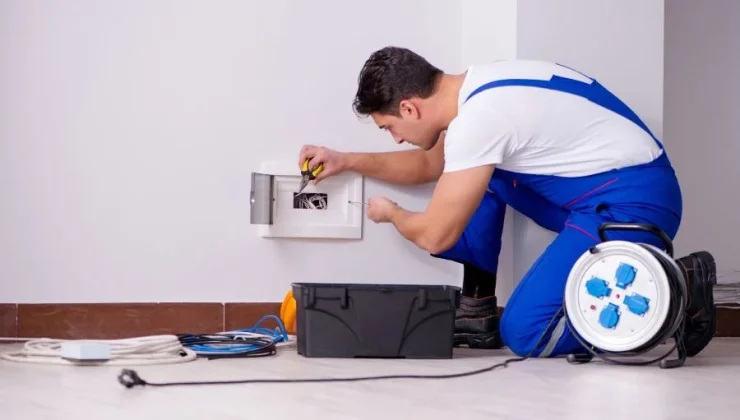
When preparing to sell a home, one of the most overlooked yet essential steps is a thorough electrical inspection. Homebuyers today value safety, reliability, and efficiency, and electrical systems lie at the heart of all three. Faulty wiring, outdated panels, and ungrounded outlets can lead to failed inspections or even lost sales. A professional electrical evaluation not only reveals hidden issues but also provides sellers with the confidence to list their home at its true value. Ensuring that the system meets safety standards can prevent costly surprises later and increase buyer trust during negotiations.
We Will Explore How Electrical Safety Shapes Property Value
Electrical safety plays a defining role in market value. We will explore how inspection findings can directly influence both buyer confidence and pricing outcomes. Electrical issues, such as worn wiring, overloaded circuits, or outdated fuse boxes, can quickly deter potential buyers or prompt price reductions. Conversely, a recent inspection report confirming compliance with current codes reassures buyers that the home is safe and functional. Inspectors assess not only visible components but also hidden connections behind walls and ceilings. These evaluations identify risks before they escalate into major hazards. For homeowners, investing in repairs or upgrades ahead of time can also reduce liability and improve insurance eligibility. Ultimately, a documented inspection demonstrates care and transparency—qualities that buyers appreciate when deciding whether to make a long-term investment in a property.
We Will Explore How Modern Technology Increases Buyer Expectations
The rise of modern living has significantly reshaped buyers’ expectations for a home’s electrical system. We will explore how the demand for energy-efficient devices and automation has changed inspection priorities. Today, some owners rely on multiple electronic devices, home offices, and smart technologies that require stable, well-distributed electrical power. Older homes may lack the wiring or circuit capacity needed to support these systems safely. Inspectors thoroughly verify compatibility with high-demand electronics, and assess whether upgrades, such as rounded outlets and updated panels, are in place. In newer markets, technology integration has become a key selling point, making electrical readiness even more valuable. For example, homes that incorporate smart home automation options in Florida often attract tech-savvy buyers looking for both safety and convenience. Ensuring proper wiring for these systems through inspection helps sellers appeal to this growing demographic while avoiding electrical overloads or system failures.
We Will Explore How Inspections Reveal Hidden System Weaknesses
Many electrical issues remain invisible until they cause noticeable problems. We will explore how inspections uncover hidden weaknesses that might otherwise go unnoticed. Inspectors use tools such as voltage testers, infrared cameras, and circuit analyzers to detect overheated wires, short circuits, or faulty connections. These small but significant issues can lead to power surges, tripped breakers, or even electrical fires over time. Identifying and resolving them before listing a home prevents unexpected breakdowns during showings or after purchase. For older homes, inspections are especially important since outdated wiring types, such as knob-and-tube or aluminum wiring, pose added risks. Correcting such problems early adds measurable value to the property and avoids last-minute repair requests from buyers. Beyond safety, a well-functioning electrical system ensures consistent lighting, efficient appliance performance, and stable energy consumption—all of which contribute to a positive impression during property tours.
We Will Explore How Energy Efficiency Appeals to Buyers
Today, some buyers often prioritize sustainability and long-term energy savings. We will explore how electrical inspections help highlight efficiency opportunities that attract environmentally conscious buyers. Inspectors evaluate energy consumption by checking circuit loads, insulation around wiring, and connections to major appliances. They may also assess the potential for upgrades such as LED lighting, energy-saving thermostats, or solar-ready panels. An efficient electrical system not only lowers monthly bills but also aligns with modern eco-friendly trends. Buyers appreciate homes that demonstrate forward-thinking energy design, knowing they won’t face high costs for upgrades later. When sellers make improvements based on inspection recommendations, they can market the home as cost-effective and eco-conscious. This appeal often leads to faster sales and stronger offers. Energy efficiency, backed by professional inspection reports, represents a tangible benefit that enhances both property value and comfort for the next homeowner.
We Will Explore How Safety Documentation Strengthens Negotiations
Having documented proof of an electrical inspection can be a powerful tool during real estate negotiations. We will explore how this transparency influences the sales process. A certified inspection report provides concrete evidence that the system meets safety and operational standards. Buyers reviewing multiple properties may view a recent inspection as a major advantage, saving them the cost and effort of conducting their own. Sellers can use these documents to justify asking prices, while buyers gain reassurance about the reliability. In competitive markets, providing an inspection record can set a listing apart from others with other verification. It also prevents disputes over electrical issues after the sale, since both parties are informed of the current condition. Transparent documentation facilitates smoother transactions and reduces legal risk, fostering mutual trust between buyer and seller. By proactively sharing inspection results, homeowners convey responsibility and professionalism throughout the resale process.
We Will Explore How Electrical Inspections Prevent Future Liabilities
Ignoring electrical evaluations before selling can expose homeowners to unexpected liabilities. We will explore how thorough inspections help mitigate those risks. If an undisclosed issue—such as faulty wiring or an overloaded circuit—causes damage after the sale, the seller could be held accountable. Pre-sale inspections identify these hazards early, allowing repairs to be completed and documented before closing. This protects sellers from potential legal claims and financial repercussions. It also ensures buyers inherit a home that’s safe for everyday use, reducing the risk of accidents or property damage. Beyond compliance, inspections serve as preventive protection for both parties. They act as a safeguard against disputes and help maintain transparency throughout the transaction. When a property passes inspection successfully, it reflects well on the homeowner’s diligence and care, leaving a lasting impression of reliability and safety that supports both resale value and reputation.
Electrical inspections are not just routine checks—they are essential safeguards for successful home resales. They uncover hidden issues, verify compliance with safety standards, and help build trust between buyers and sellers. From enhancing property value to protecting against future liabilities, inspections bring clarity and assurance to both parties. As homes evolve with modern technology and energy demands, verifying electrical integrity is increasingly important. Sellers who prioritize these evaluations create safer living spaces and more attractive listings. Ultimately, a well-documented electrical inspection is an investment that pays off in both confidence and long-term satisfaction for everyone involved in the sale.